
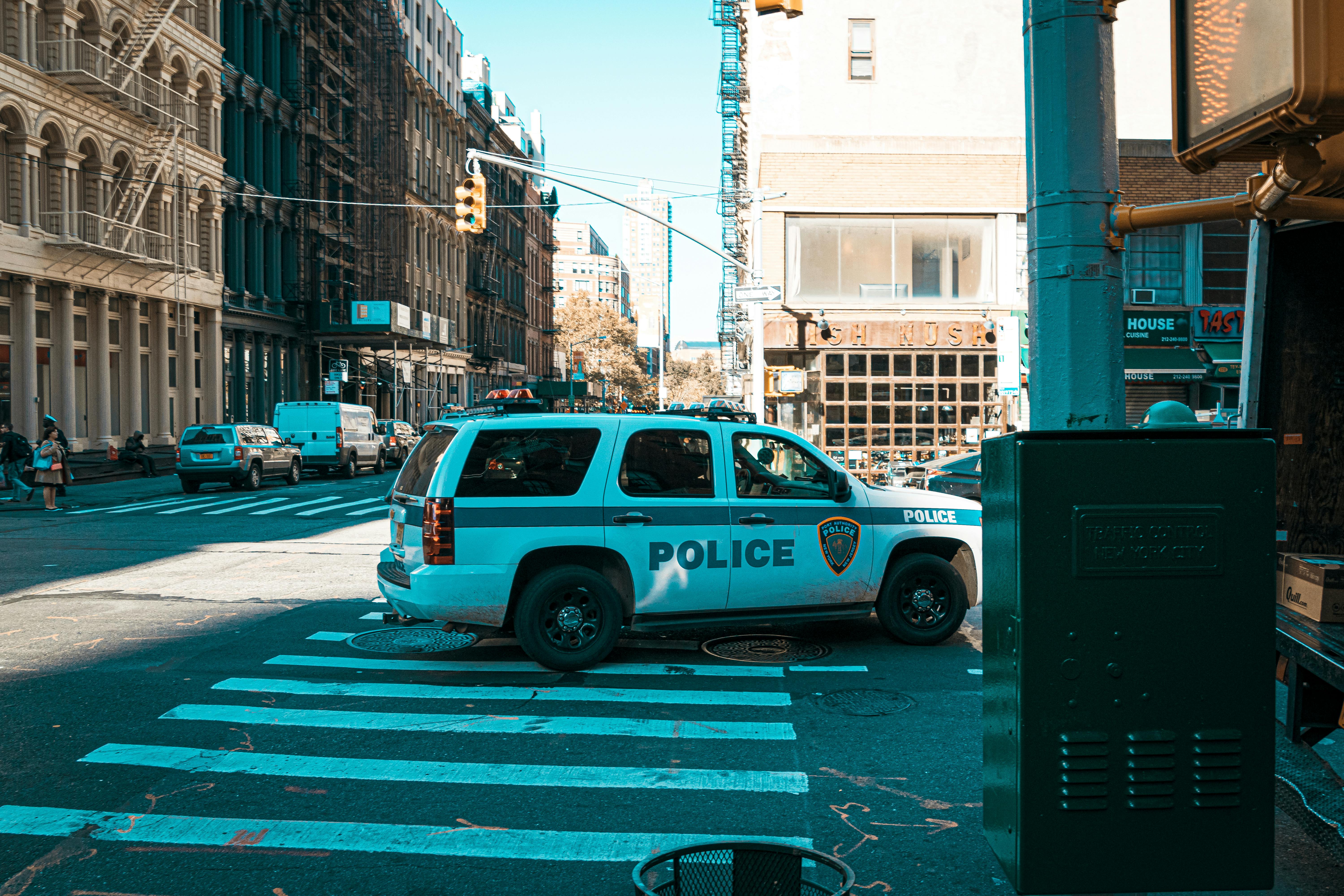
Ten days after a new City Council law took effect stripping police of the authority to hit street vendors with criminal charges for most violations, NYPD officers have already issued at least seven criminal summonses that should have been civil infractions instead.
The Street Vendor Project, an advocacy group, reported the summonses to the press after reviewing photos of tickets issued to five different vendors across Manhattan and Brooklyn. The violations listed on the summonses, including failing to display a license, failing to post food prices, and standing too close to a bus stop or fire hydrant, are exactly the kind of infractions the new law reclassified as civil matters, not criminal ones.
The law took effect March 9. Officers started writing criminal summonses anyway.
Mohamed Attia, co-director of the Street Vendor Project, said the NYPD issued 3,662 criminal summonses to vendors last year alone. Changing that pattern requires more than a memo.
“It’s a big culture shift for NYPD,” Attia said. “It should have necessitated widespread education within the department to make sure that officers are aware of the laws that have changed and how that would affect their work, so street vendors, our city’s smallest business owners, do not have to suffer the consequences.”
An NYPD spokesperson said in a written statement that the department is “continuing to train officers on the change in the law.” The spokesperson also claimed the new law does not completely prohibit criminal summonses for unlicensed general vending and suggested repeat offenders may still face criminal charges. When asked which section of the law supports that reading, the department did not respond.
Victoria Opperman, a spokesperson for Councilmember Shekar Krishnan, who authored the legislation, said she could not immediately confirm the NYPD’s interpretation.
The department also said it had been unable to locate records of the seven summonses the Street Vendor Project provided to reporters. None of those summonses were for unlicensed general vending.
Mayor Zohran Mamdani’s office punted. Spokesperson Sam Raskin said City Hall would defer to the NYPD for comment, even as Mamdani ran an entire campaign on the premise that street vending should not be treated as a public safety threat. That posture is harder to square now that vendors are still getting hit with criminal charges his own police department can’t seem to locate.
The stakes here are not abstract. Criminal charges carry legal consequences that a civil fine does not. For many vendors, most of whom are immigrants, a criminal record can threaten immigration status, employment opportunities, and family stability. Advocates have argued for years that the criminalization of vending was never about public safety. It was about harassment.
Under the framework the Council established, vendors without licenses can still face a criminal violation, though that’s been downgraded from a misdemeanor. The key reform applies to licensed vendors who run afoul of time, place, and manner restrictions. Those situations are now civil infractions, full stop.
Seven summonses in ten days may sound like a small number. But the NYPD’s own citywide data for the period since March 9 has not yet been released. What the Street Vendor Project documented represents only what vendors chose to report. The actual figure is almost certainly higher.
City Hall and the NYPD have a clear responsibility here. Krishnan’s law passed. It is on the books. The council didn’t write it as a suggestion. Training officers to follow it is not optional, and “we’re continuing to train” is not an acceptable answer when vendors are already paying the price for the department’s failure to prepare.
New York’s street vendors are some of the most visible small business owners in this city. They work long hours on corners and sidewalks, serving the same neighborhoods that the rest of us depend on. The Council acted to protect them. The NYPD needs to catch up.