
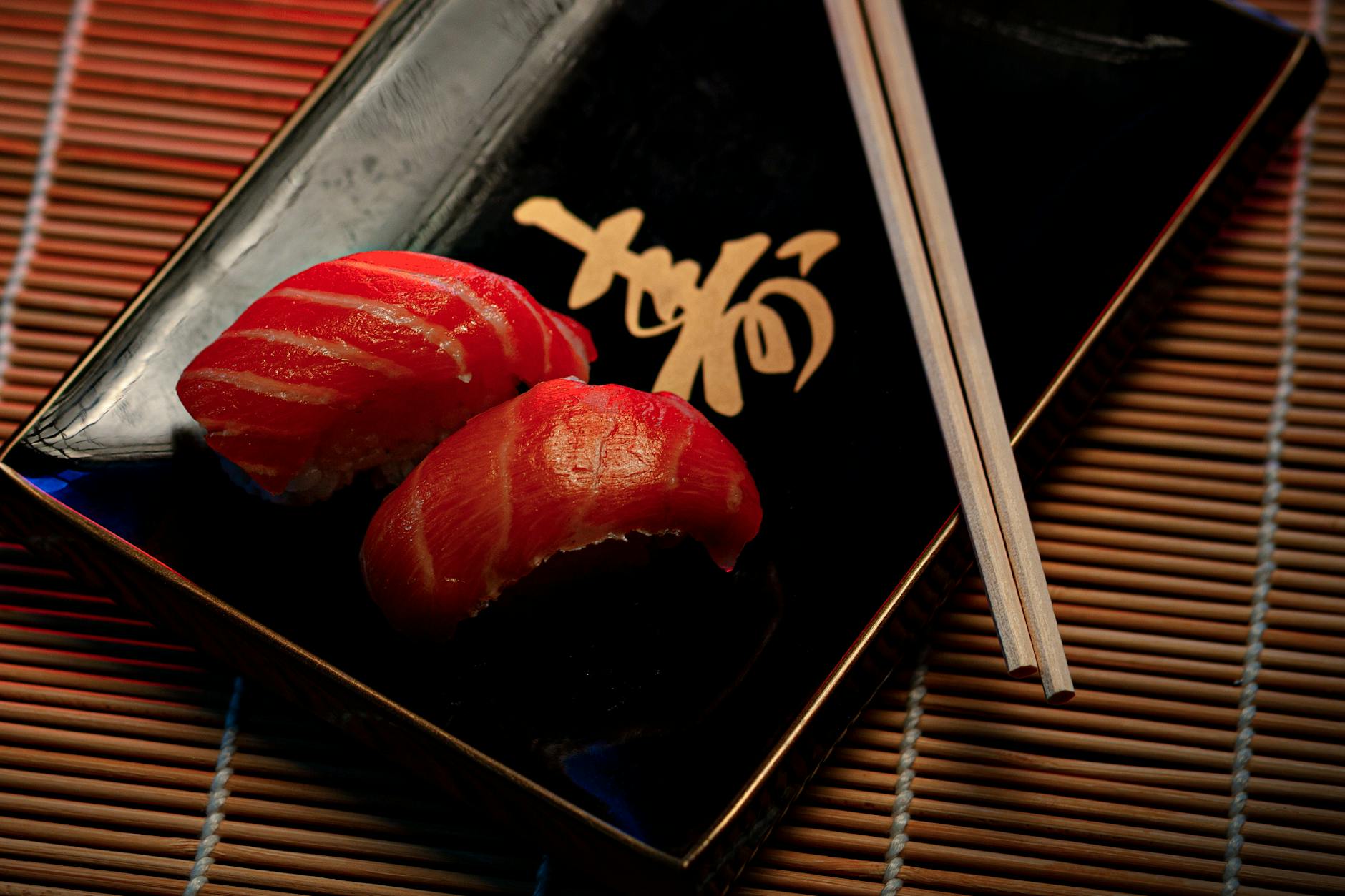
Hajime Kumabe’s eight-seat counter in Hudson Square didn’t make it to its first birthday.
Sushidokoro Mekumi, the New York outpost of a celebrated Japanese omakase tradition rooted in Ishikawa Prefecture, went dark sometime before April 8, just six months after opening. The restaurant’s own message said it all: “Due to unforeseen circumstances, we are currently unable to continue operations.” The website is now inactive, and calls to the space at 70 Charlton Street, between Hudson and Varick, ring out.
Blogger the Sushi Legend first confirmed the closure, reposting the restaurant’s response to reservation inquiries.
For the city’s omakase devotees, the news stings. Kumabe, a protégé of Takayoshi Yamaguchi, the master sushi chef behind the storied original in Japan, had built something genuinely singular here. Eighteen courses for $300. Seasonal fish flown in from the Sea of Japan’s western coast, sourced specifically from the remote Ishikawa region known for its snow crab, yellowtail, and other cold-water delicacies. During winter, the restaurant ran a dedicated snow crab tasting menu at $888 per person, which, yes, is a lot of money, but the crab was flown in weekly and that kind of sourcing doesn’t come cheap. Sake from Japan’s Kokuryu Brewery rounded out the experience at two nightly seatings.
The whole operation fit into a tiny, windowless room. Intimate, even by omakase standards.
It’s also unclear what happens to Bar Maeda, the recently opened on-site bar led by Yoshikatsu Maeda of Tokyo’s Mori Bar. The phone number rings out there too.
Mekumi’s closure follows a familiar and painful pattern for hyper-specialized fine dining in New York. The overhead is brutal. The margins on imported seafood are thin. A six-month run at $300 a head, eight seats at a time, may simply not have been enough to sustain the whole thing, though the restaurant hasn’t said what “unforeseen circumstances” means exactly. New York has watched ambitious Japanese imports struggle before, and it will watch more of them struggle again.
Meanwhile, the East Village loses a neighborhood staple this week. Dim Sum Palace, the fast-growing Cantonese chain with roots going back to its original Times Square location, closed its East Village outpost at 59 Second Avenue on Sunday, April 12. Signage on the door thanked customers for nearly eight years of “support, trust and kindness.” The other five Manhattan locations stay open, so it’s not a collapse so much as a pruning. Still, for the regulars who made that corner spot their Sunday morning spot, a routine just ended.
Then there’s Shamus Jones.
The founder of Brooklyn Brine has been pickling in Greenpoint longer than some of his customers have been eating solid food. He started the brand back in 2010 in the kitchen of the now-closed Brooklyn Label restaurant, moved around the borough for years, and finally came back to the neighborhood where it all began when he opened a walk-in storefront at 42 West in Greenpoint last year. It was part retail, part warehouse, the place where his kimchi half-sours, preserved lemons, spicy bloody mary pickles, and rotating seasonal creations got bottled and sold.
He was given short notice to vacate on April 7.
Jones didn’t mince words about why, pointing to what he called “stupid Nepo-boomers that vote for Trump, who exercise control over small friends and family investment.” Whether or not that framing captures the full legal picture, it points to something real: small food producers who operate out of mixed-use buildings are perpetually vulnerable, especially as [commercial real estate pressure](https://www.nyc.gov/site/smallbizsurvivors/index.page) continues squeezing Brooklyn’s industrial-adjacent corridors.
Brooklyn Brine as a brand is done. Jones says he’ll keep supplying the New York region with “awesome shit,” including some new pickles, but not under that name. He’s moving on.
That’s the April list so far, and it’s still growing. Eater New York has been tracking the full round of closures across the five boroughs as they come in.
Three closures, three different stories. A high-end Japanese import that ran out of runway. A chain trimming a branch. A beloved pickle guy pushed out of his own space. New York doesn’t care what your price point is or how long you’ve been here. The city takes what it takes, and the rest of us figure out where to eat next.