
New York’s newly proposed pied-à-terre tax could miss some of the city’s most expensive condos, thanks to a property assessment system that values a $87.7 million penthouse at a fraction of its sale price.
Mayor Zohran Mamdani and Gov. Kathy Hochul announced last week that the tax would target non-primary residences worth $5 million or more, generating an estimated $500 million annually to close a significant city budget gap. But experts and city Department of Finance data suggest the threshold’s definition matters enormously, and under the current assessment structure, many trophy properties could slip through untouched.
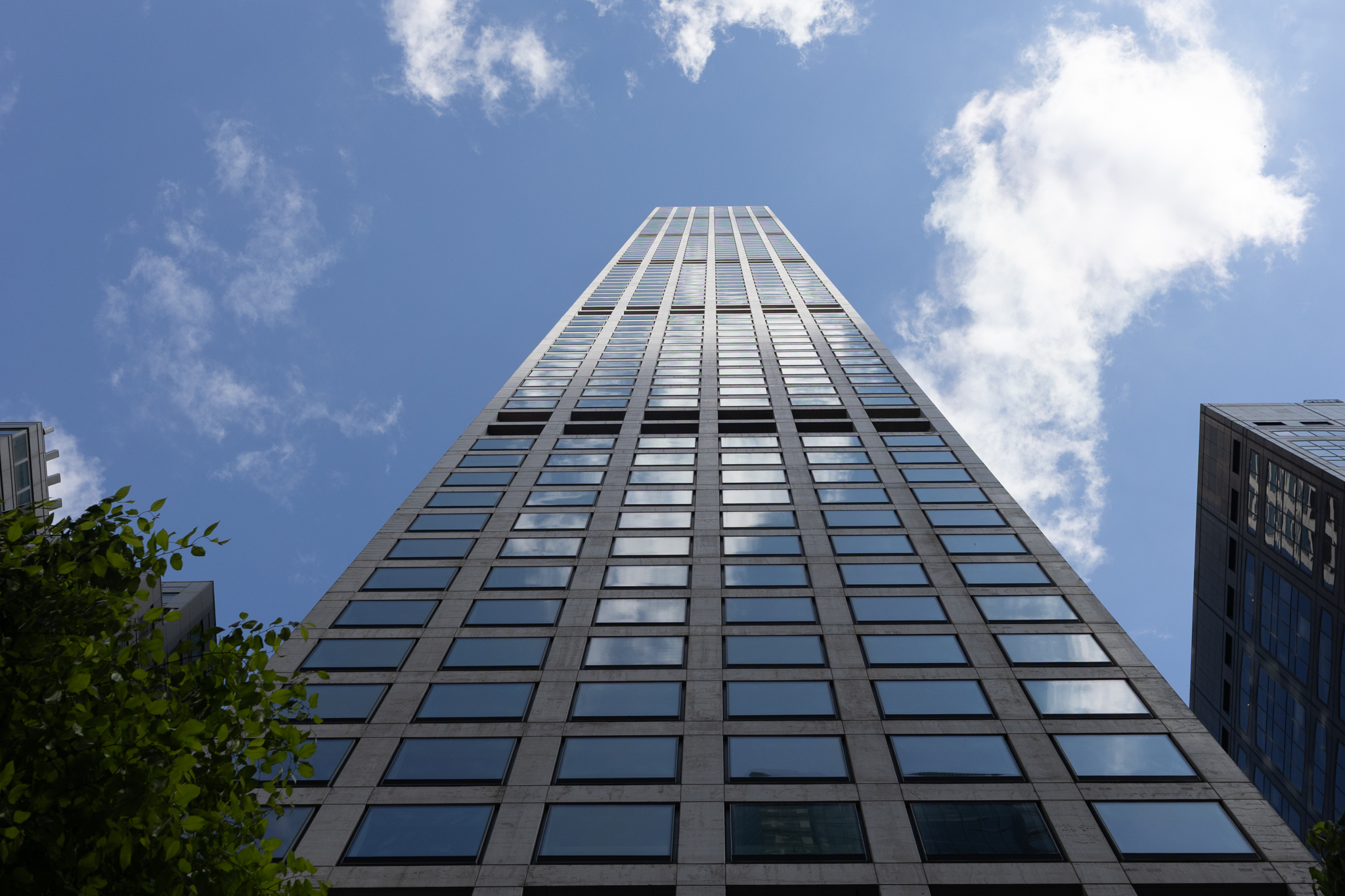
The core problem sits inside New York’s notoriously broken property tax system. The city calculates “market values” and “assessed values” for condos and co-ops based on area rents, not actual sale prices. The gap between those figures and real-world transactions is staggering. A condo at 432 Park Ave. that sold for $26 million in 2021 carries an “assessed value” of just $785,477 and an official “market value” under $1.9 million, according to Department of Finance records.
The 96th floor penthouse at 432 Park Ave., which sold for $87.7 million in 2016, has a DOF “market value” of $3.8 million and an “assessed value” of $1.6 million. A review of property records at that supertall tower found no residential unit that would qualify under the “assessed value” benchmark, and only one unit, bought for $91 million in 2017, that clears the $5 million bar under the city’s official “market value” calculation.
This isn’t a niche accounting quirk. It’s structural.
Properties that would seem to be obvious targets, including a Billionaires’ Row penthouse and a Central Park-view apartment purchased for $65.7 million, could avoid the tax entirely depending on how Albany writes the final language.
Hochul’s office told The City on Tuesday that the administration would make sure the tax applies to superluxury properties like those found on Billionaires’ Row, but declined to share further details on how assessments would be handled. Hochul has said roughly 13,000 New York City properties would be subject to the tax.
For the outer boroughs and middle-class neighborhoods I cover from Brighton Beach to Midtown, that number sounds significant. But the 13,000 figure is irrelevant if the city’s wealthiest property owners, many of whom treat Manhattan condos as occasional crash pads rather than homes, can point to a $785,000 assessed value and walk away clean.
The governor and state lawmakers are still working out specifics of the proposal. How the tax would actually be calculated remains open.
A 2019 state bill, which never passed, tried to work around this by proposing a $300,000 assessed value threshold. Under that measure, about 20 percent of condos at 432 Park Ave. would still have avoided the tax, according to a Department of Finance data review. A lower threshold helps but doesn’t solve the problem entirely.
There’s no shortage of appetite in Albany and City Hall to tax second homes. The political case is straightforward. New York City’s budget hole is real, and properties owned by billionaires who don’t live here full-time generate far less economic activity than units occupied by working residents. The New York City Department of Finance publishes the assessment data, and state legislators can see it as clearly as any reporter can.
What’s missing isn’t political will. It’s a workable mechanism that captures actual market value rather than the city’s distorted assessment figures.
One path forward involves pegging the tax threshold to real property transfer prices recorded by the state, which reflect what buyers actually paid. That approach would avoid the DOF valuation problem entirely. Another option involves creating a new assessed-value tier specifically for ultra-high-end condos, something previous reform proposals have floated without success.
Until the state settles on a method, owners of some of New York’s most opulent real estate, units that would cost more than 1,700 times the median Brooklyn apartment, can reasonably wonder whether their tax bills change at all. Hochul’s office has committed to capturing those properties. The language that actually does it hasn’t been written yet.