
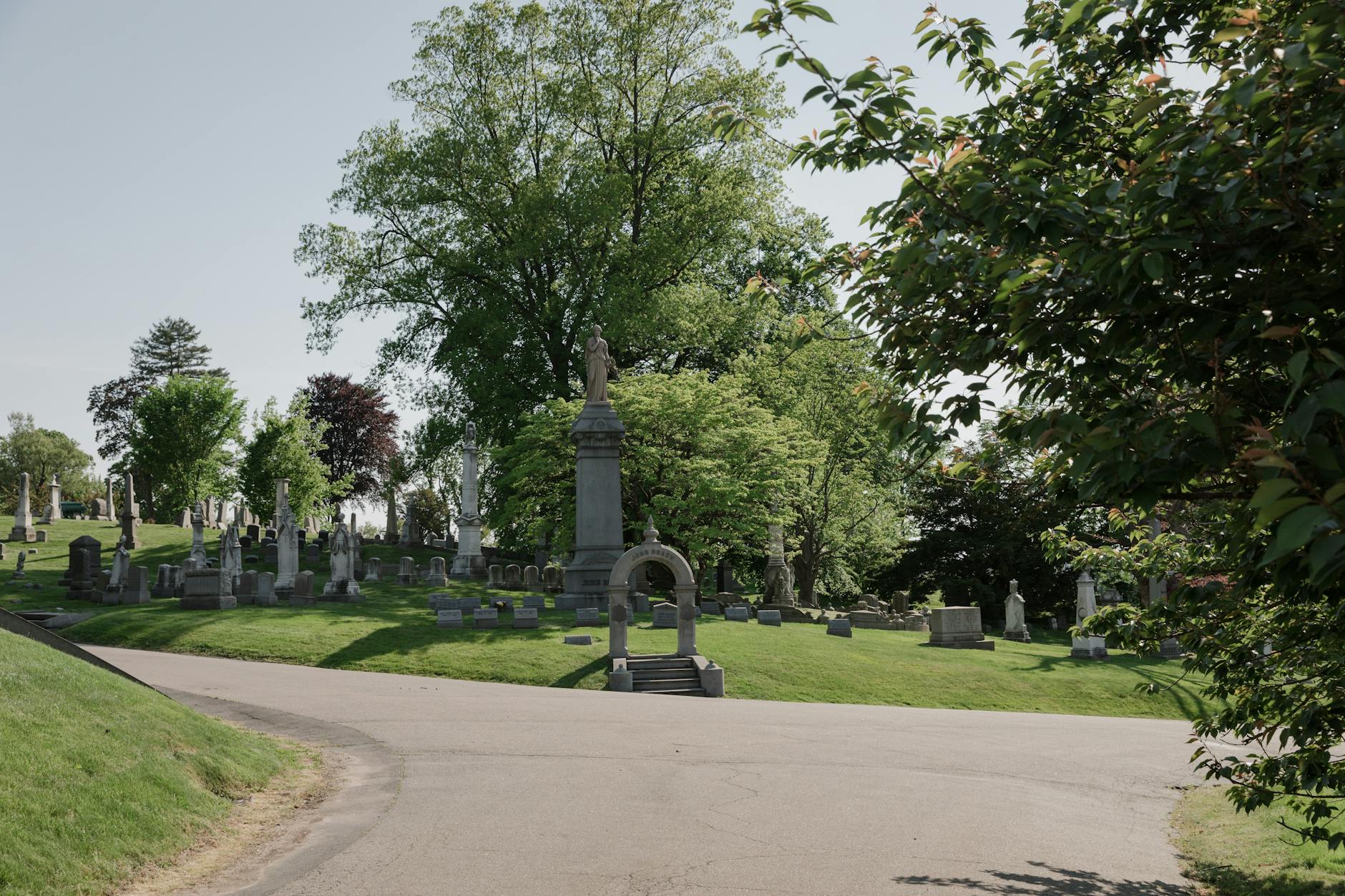
A $50,000 grant is helping historians shed light on overlooked contributors to the Harlem Renaissance buried in Woodlawn Cemetery in the Bronx, revealing stories of Black doctors, journalists and community leaders whose legacies have been overshadowed by more famous graves.
The Woodlawn Conservancy received the grant from the African American Cultural Heritage Action Fund in 2024 to launch the “Where Harlem Rests” initiative, according to Meg Ventrudo of the conservancy. The project highlights 25 notable Black people buried at the cemetery and explores their contributions to the cultural movement of the early 1900s.
“We knew that Woodlawn was famous for many musicians, dancers, entertainers, veterans, but who are the other folks in the Harlem Renaissance that really made the Harlem community work,” Ventrudo said.
The conservancy partnered with historians like Eric K. Washington to research figures from the period leading up to and during the Harlem Renaissance. Among those featured is David McDonough, whom Washington describes as “Americans first Black ophthalmologist and otolaryngologist.”
The project also spotlights journalist Bessie Bearden, whose work documented the era. “Much of what we know about the Harlem Renaissance is thanks to Bessie Bearden, from her regular columns for the Chicago Defender,” Washington said.
These lesser-known figures rest alongside celebrated names that already draw thousands of visitors to Woodlawn Cemetery each year, including jazz legends Duke Ellington, Miles Davis and Illinois Jacquet. The new initiative aims to paint a more complete picture of the Harlem community during its cultural flowering.
“I think it paints the full picture of the Harlem community that Harlem had their own newspapers, that Harlem had their own flourist, that Harlem had their own undertakers,” Ventrudo said.
The “Where Harlem Rests” project will offer guided tours featuring multiple components to help visitors explore this hidden history. Plans include a booklet, an online component, and outdoor signage throughout the cemetery grounds.
“This tour will have a booklet, it will have an online component, and it will have some outdoor signage, which is something we have not yet done in Woodlawn,” Ventrudo said.
The Harlem Renaissance represented a celebration of Black culture and creativity that gave voice to a community long ignored in mainstream American society, according to historians. The movement emerged in the early 1900s through the contributions of Black artists, doctors and community leaders, many of whose stories have been forgotten over time.
Woodlawn Cemetery, where snow currently blankets the ground among thousands of towering headstones, serves as the final resting place for many of these overlooked figures. Local historians working on the project have uncovered forgotten tales that help illuminate the broader scope of the cultural movement.
The conservancy acknowledges that the current research represents just the beginning of efforts to document the cemetery’s historical significance. The work reveals countless other stories waiting to be discovered and shared with the public.
“Maybe there’s a part two in our future,” Ventrudo said.
The initiative demonstrates how historical research can uncover the contributions of individuals whose work supported and sustained cultural movements, even when their names did not achieve the same recognition as the era’s most celebrated artists and performers. Through the project, visitors to Woodlawn Cemetery will gain access to a more comprehensive understanding of the diverse community that made the Harlem Renaissance possible.